
Many people frequently ask, how to be a skilled designer, assuming is natural ability, software or creative tools are the solutions. Absolutely, these aspects are useful. However those skills do not truly the key to a design professional accomplished.
Becoming an effective designer involves not only understanding photoshop. Individuals aren’t required to learn every each and every illustrator shortcuts. Indeed, the field of design is primary concern with users, and emphasizing with their perspective. The trick is about identifying innovative method for tracking their challenges. Lacking that, even the most visually appealing concept will not be significant.
Good design is obvious. Great design is transparent.
– Joe Sparano
1. Design Is regarding Purpose, Not Just Beauty
Anybody can certainly make something look attractive. However a designer’s true need is functionality. A logo integrates the identity of a brand; it’s not only a beauty icon. A poster utilizes colors, and fonts to create meaning, yet it’s basic aim remains to grab awareness quickly.
For example, the difficulty wasn’t always choosing colors, while I was working, on a design. In this selective example; making sure the design clearly communicated a brand’s importance, this task became the issue at hand. Purpose, this is where purpose comes in to play.
Lesson: Always ask “Why am I designing this?” before you make design.
2. Understanding the people
Good design speaks straight to the people it’s meant for. A poster design for a music festival should sense totally diverse from a flyer for a corporate seminar — not because one deserves “better design,” but because their audiences are different.
The important thing here is empathy: Then, put yourself in the shoes of the viewers. What do they care about? What feelings should they sense when they see this design?
Example: Take the case of Apple’s packaging. It is minimal, clean, and smooth because their target audience wants simplicity and elegance, which the design perfectly meets.

3. Balancing Creativity with Functionality
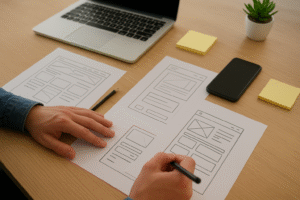
As designers, it’s tempting to go wild with creativity — crazy fonts, bold colors, unusual layouts. Creativity is important, but design also has to function. A restaurant menu, for example, might look beautiful with abstract layouts, but if customers can’t read it easily, the design has failed.
The best designs are a balance: eye-catching yet usable, unique yet clear.
4. Constantly Learning & Growing
The design world changes fast. New tools, new trends, new audiences. The main thing for a designer is to never stop learning. Every project teaches you something new — about design, about communication, and about yourself.
Sometimes it’s a new shortcut in Illustrator, sometimes it’s a lesson in how to handle client feedback gracefully. Either way, learning keeps us sharp and keeps our designs relevant.
Final Thoughts
So, what’s the main thing for a designer? It’s not the fanciest font, or the latest tool, or even “natural talent.” It’s the mindset:
- Understanding the purpose
- Knowing your audience
- Balancing creativity with function
- Never stopping the learning process
At the heart of it all, a designer’s role is to tell stories and solve problems visually. And when you focus on that, every design you create will have meaning.
What do you think is the main thing for a designer? I’d love to hear your perspective in the comments below!
— Ganasree